1. Grammar of Prompts:
The prompts are description of the picture, what you want to appear in the picture. And we can have different grammatical paradigms for different styles of images.
A complete one-size-fits-all prompt grammar looks like this:
(quality),(subject),(style),(action/scene),(artist),(filters)
(quality): represents the quality of the screen, usually we choose Best Quality to control the highest quality.
(subject): represents the theme of the screen, forming the main content of the screen, which is the most critical part of the composition of all the prompt words.
(style): represents the artistic style of the screen effect.
(action/scene): on behalf of the action, the scene, mainly used to describe the subject in what the scene, what things to do.
(artist): represents the name of the artist, for specific style enhancement, such as Van Gogh style is very good to use, usually can not be added.
(filters): on behalf of the details of the additional description. This is to make the picture richer, more personal and controllable details.
2. Prompt Samples:
For example, if you want to generate “realistic photography”, you could describe it like this:
Photography by [artist] + [camera position, view] + [subject] + [environment]
Prompt: Photography by high-speed photography. Half-body shot of a ballerina dancing in the background.

And if you want to generate “film style work”, you can describe it like this:
【Style】【Title】 + directed by 【Director/Cinematographer】 filmed in 【Shooting Place】 + 【Main Description】 + 【Background Vocabulary】
Prompt: 2010 racing film still of Fast Furious, filmed at Brooklyn Bridge, a muscle car drifting, dust, rain, custom racing, 4k, photorealistic, intricate details, and a lot more intricate details.

If you are generating a “painting”, you can describe it like this:
[genre] by [artist], [subject matter], [style]
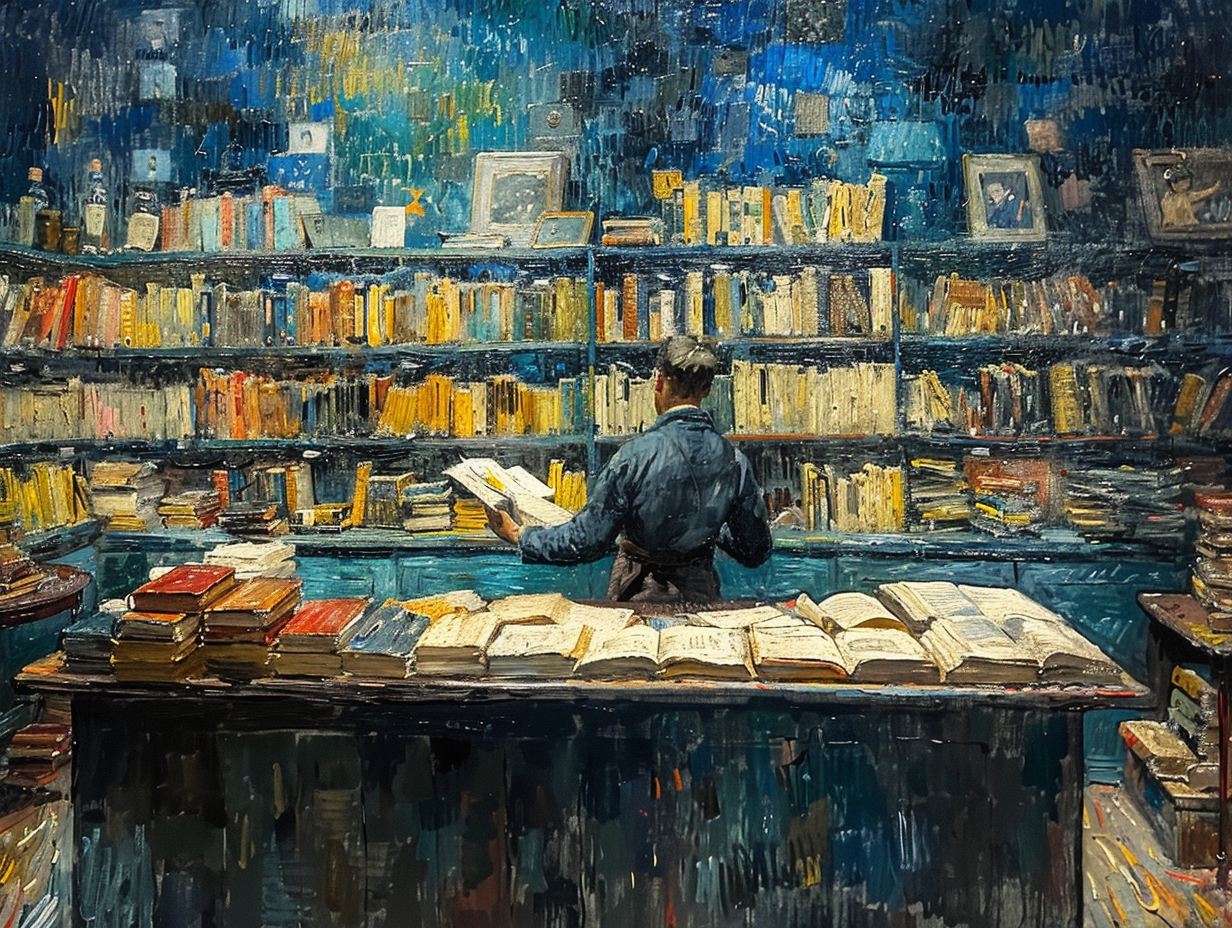
Prompt: A masterpiece, oil painting by Van Gogh, depicting the space of imagination filled with books, films, music, concepts, ideas, surrealism.
If it's a product that generates “3D products”, you can describe it like this:
[type of painting] by [artist], [subject], [style]
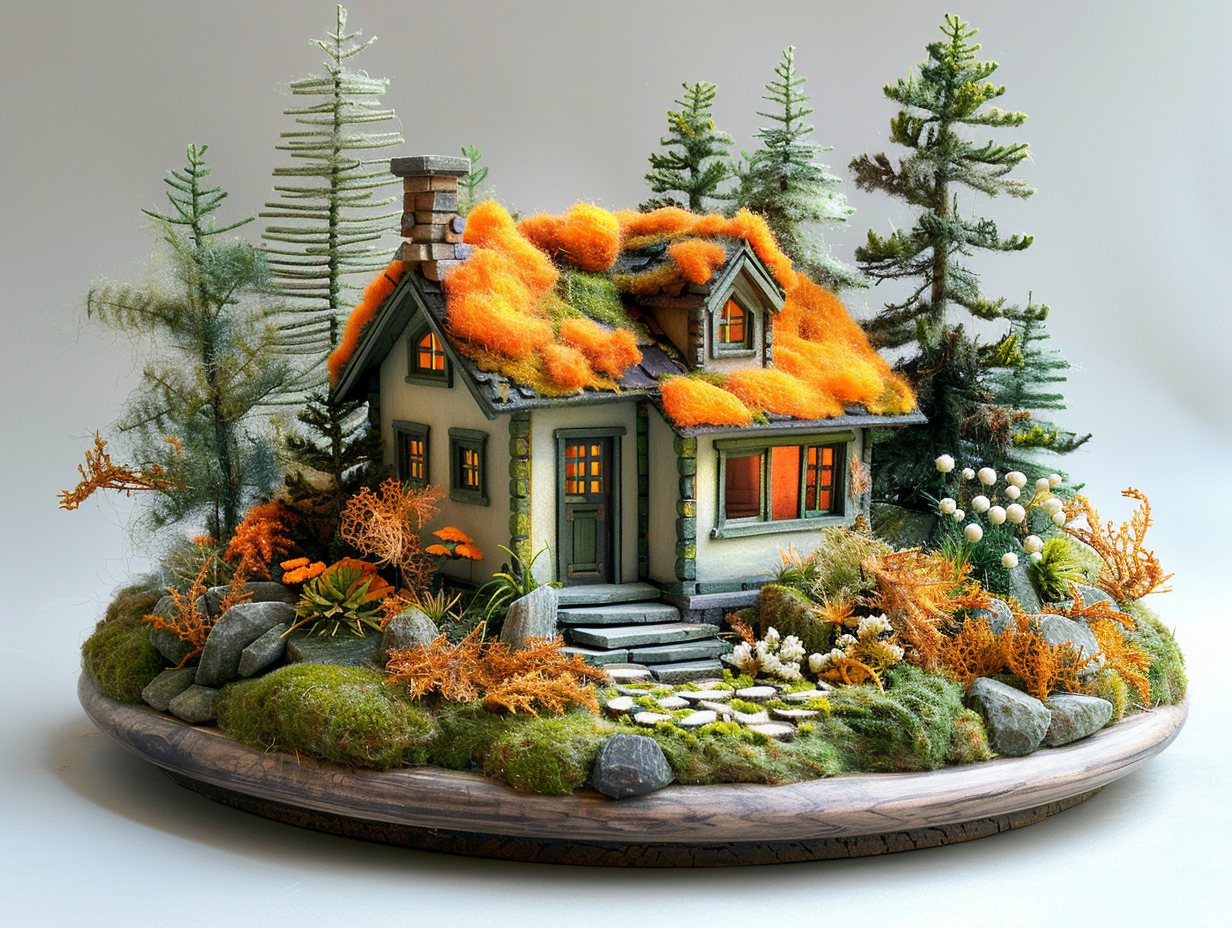
Prompt: 3D view, product beauty shot of a toy Forest cabin by Antonio Gaudi showcasing needle felting texture, lifestyle.
If it's a work that generates “Anime Art”, you can describe it like this:
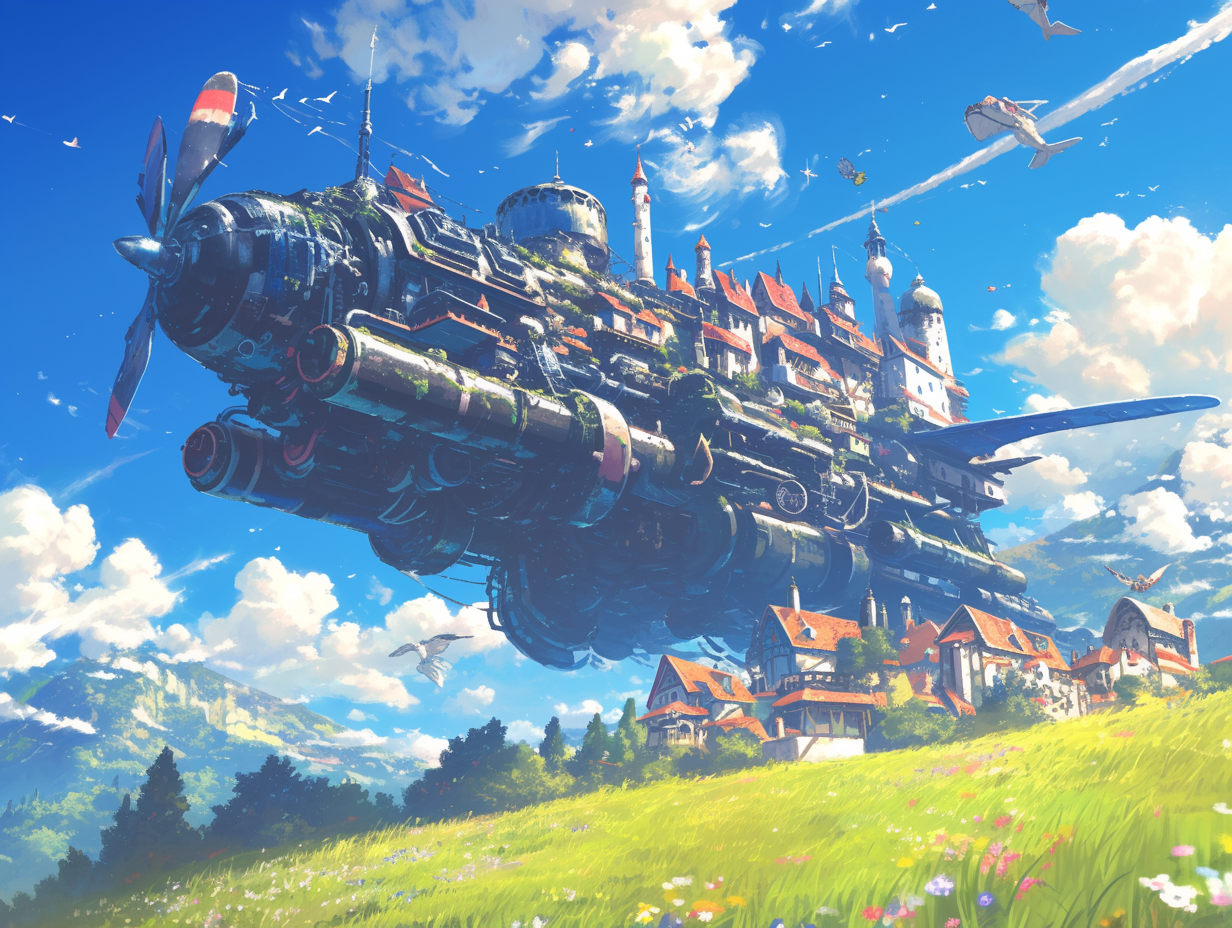
Prompt: Illustration by Ghibli, showing a long shot of Howl's Moving Castle in 8k, best quality, super detailed.
3.Positive Prompts:
Positive prompts include descriptive language that outlines the desired content of the artwork. Examples of positive prompts could be "best quality, photorealistic, high resolution, detailed skin, 8K resolution, soft lighting, volumetric lighting," and more. These prompts provide a comprehensive description of the visual elements, theme, and setting required for the artwork.
4.Negative Prompts:
Positive prompts include descriptive language that outlines the desired content of the artwork. Examples of positive prompts could be "best quality, photorealistic, high resolution, detailed skin, 8K resolution, soft lighting, volumetric lighting," and more. These prompts provide a comprehensive description of the visual elements, theme, and setting required for the artwork.